
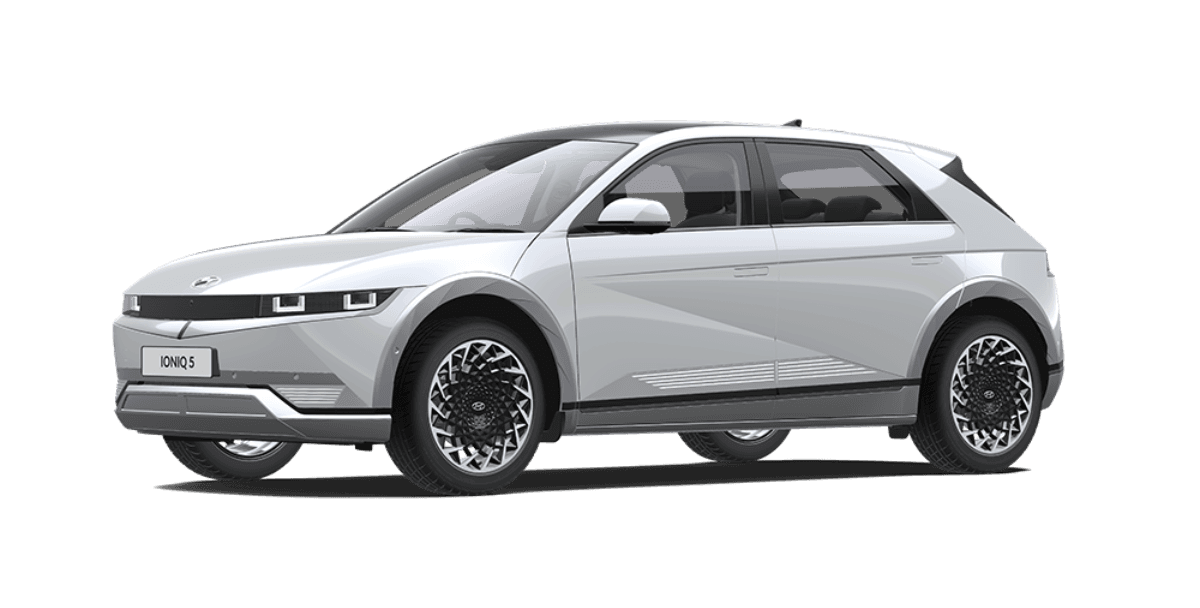

Hyundai IONIQ 5
2025 Suv · ฿1,699,000 – ฿2,399,000 · 7.8/10 avg from 3 reviews

iMoD Official
690K subscribers·9 months ago· TH
TH
Hyundai IONIQ 5 Premium Electric Car with 800V Battery at Attractive Price
Hyundai IONIQ 5 รถยนต์ไฟฟ้าพรีเมียม แบต 800V ราคาดี 1.299 ล้านบาท 200 คันสุดท้าย (นำเข้า CBU เกาหลี)
I was genuinely impressed by how well Hyundai has balanced cutting-edge EV technology with practical everyday usability in the IONIQ 5. The 800V charging system, composed interior design, and confident handling make this a serious alternative to the usual suspects, and at this price point, it feels like outstanding value.
First Impressions
When I first got behind the wheel of the IONIQ 5, I'll admit the hype around this car made sense. This isn't just another electric SUV—it's the result of serious engineering and design thinking. The car has picked up multiple awards including Car of the Year and World Car Design of the Year, and those accolades aren't handed out lightly. What struck me immediately was how Hyundai managed to make a car that looks forward-thinking without feeling sacrificial on everyday practicality.
Design and Exterior
The design philosophy blends retro inspiration (the car nods to Hyundai's legendary Pony from 1974) with pure futurism. You see this in the pixel-pattern LED headlights and taillights, the sharp creases mixed with flowing curves, and the detailed touches like the adaptive front grille that opens and closes automatically. The pop-up door handles are a nice flourish, and the single-piece hood sweeping over the front fenders gives it a design coherence you don't see everywhere.
Michelin Pilot Sport EV tyres come fitted as standard, and the wheel designs are well-executed with a modern mesh pattern. At the rear, there's a functional spoiler with vents that channel airflow to create downforce—these aren't just visual tricks. The sunshade on the rear doors is a thoughtful touch that you'll actually appreciate in hot climates.
Interior and Technology
What impresses most here is how Hyundai balanced digital controls with physical buttons for things you use constantly. The floating center console slides forward and back, which is genuinely useful if you need to move between front seats or want more cabin space. Below that, the storage box pulls out like a drawer—clever use of space.
The dual-screen setup works well: the driver's cluster shows battery and range info, while the center touchscreen handles entertainment and vehicle settings. Yes, it's frustrating that USB ports are Type A rather than Type C, but Apple CarPlay and Android Auto work through wired connection, and the navigation graphics are crisp and intuitive. The ambient lighting is a nice feature that most cars in this class skip entirely.
But here's where it gets really clever: the rear seats. Not only do they recline independently across six positions, but they also slide forward and back. This means you can prioritize legroom or cargo space on the fly. For a long drive from Bangkok to Chiang Mai, the recline feature alone made a massive difference. The rear climate vents, rear armrest with cupholders, and USB-A ports are all thoughtfully positioned.
Battery and Charging
The 800V battery architecture is the standout here. When I stopped to charge at a Stark EV station near Nakhon Sawan, I went from 49% to 94% in just 20 minutes using a 500kW charger—and 10 minutes was enough to hit roughly 80%. That's a game-changer for highway driving. The 72.6 kWh battery delivers real-world range above 450 km on the WLTP standard, and the modular design means if a cell fails, you replace just that module rather than the entire pack, saving considerable money.
The pixel indicators on the charging port show you battery state at a glance, and the V2L feature lets you power devices directly from the car. Both AC and DC charging come standard—11 kW for AC charging is solid, and the fast-charging capability removes any anxiety about road trips.
Driving Experience
I drove the top-spec model with 217 hp and 350 Nm of torque. The acceleration is perfectly adequate—the 7.4-second zero-to-100 sprint doesn't feel slow, and in normal driving, the response is immediate thanks to the electric motor's instant torque delivery. Where Hyundai really earned its engineering stripes is in how the car handles. The front uses MacPherson struts while the rear has a multi-link setup, and the tuning prioritizes composure over harshness.
The suspension feels soft in daily driving but proves genuinely composed when you attack a corner. I tested this thoroughly on the mountain roads approaching Chiang Mai, holding 100-120 km/h through tight bends, and the car grips the road with real confidence. The steering is light at low speeds but weighs up appropriately as you push harder. The regenerative braking system is customizable across four levels, and if you max it out, you get the i-Paddle mode—essentially one-pedal driving that works smoothly without the jerkiness I've felt in some rivals.
Riding comfort is excellent. Real-world efficiency came out around 15.2-15.5 kWh per 100 km during my mixed driving, which is respectable for a car of this size carrying 72.6 kWh of battery. The adaptive cruise control and lane-keeping assistance both work reliably, and the blind-spot warning with visual indicators on the mirrors adds a useful safety layer.
Value for Money
You're getting genuine quality here—Hyundai didn't skimp on materials. The door panels, dashboard, and steering wheel all feel solid and properly finished, with soft-touch surfaces everywhere that matters. The Bose audio system sounds good, and the heated and ventilated seats with lumbar support feel premium. For the asking price, this car offers more thoughtful engineering and interior refinement than you'd expect, especially against Chinese rivals in the same segment that compete on features alone.
The fact that this is a full CBU (completely built unit) import from Korea—not assembled locally—means you're getting consistent quality control throughout. Limited units remain from this batch, which adds to the appeal for someone serious about buying now.
Final Verdict
The IONIQ 5 is a genuinely well-rounded electric car that doesn't ask you to compromise on driving pleasure for practicality, or vice versa. If you're tired of the same Tesla Model Y everyone talks about, or skeptical of Chinese EVs, this is worth a proper test drive. The design is distinctive without being polarizing, the technology is future-ready, and the driving experience feels mature and composed. It's a car that will satisfy someone who actually enjoys driving, not just someone checking a box.
Pros
- 800V ultra-fast charging reaches 80% in under 10 minutes
- Spacious interior with clever rear seat that slides and reclines independently
- Excellent handling balance—soft enough for comfort but planted in corners
- Pixel-pattern design language looks genuinely modern and distinctive
- Modular battery design simplifies repairs and keeps costs down
- Comprehensive driver assistance systems that actually work well
- Adaptive air intake and active aerodynamics show real engineering thought
Cons
- USB ports are Type A only, not USB-C like competitors
- Dashboard cluster isn't touchscreen, which feels dated versus the infotainment screen
- Paddle shifters control regeneration, not gear selection—takes adjustment
- Rear seat passengers don't get Type C charging ports
- Limited to 170 hp on the base model versus 217 hp on higher trims
- Fabric roof instead of glass can feel claustrophobic in hot climates
Verdict
“This is a genuinely likeable electric car that doesn't feel like a compromise. If you want something that feels current without being trendy, handles corners with confidence, and actually makes long road trips painless with rapid charging, the IONIQ 5 deserves a serious look.”

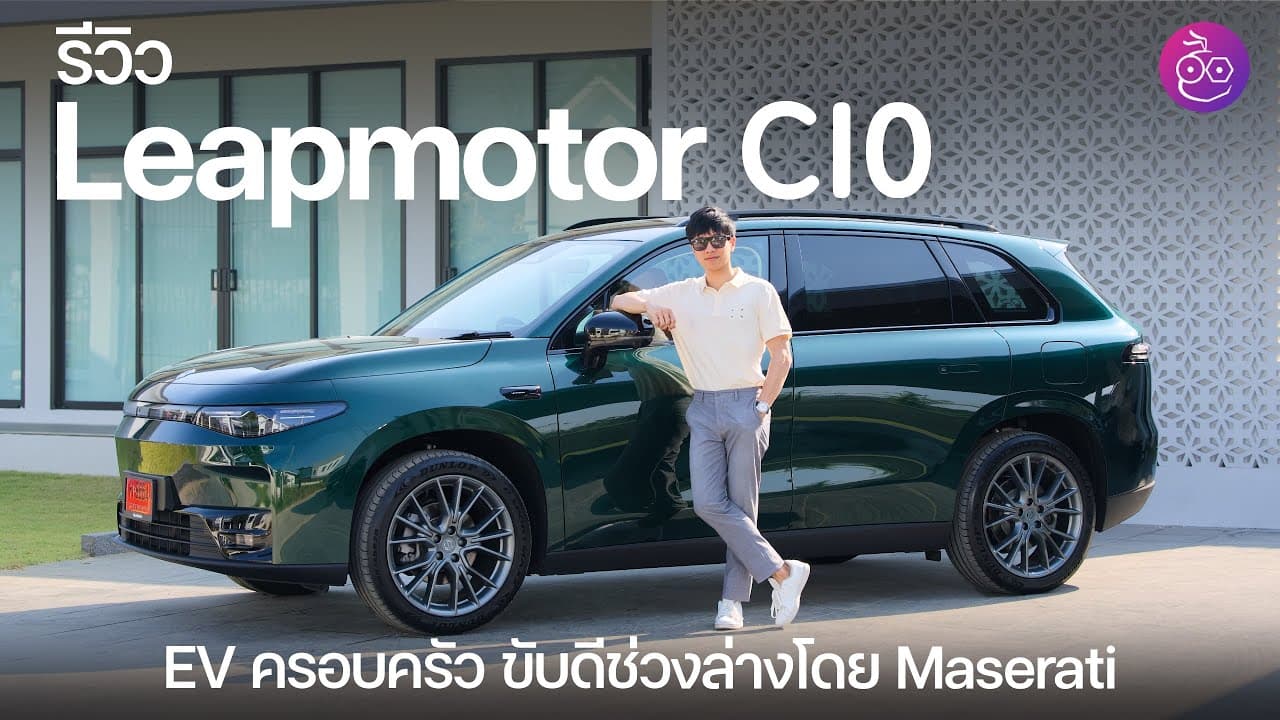
 Leapmotor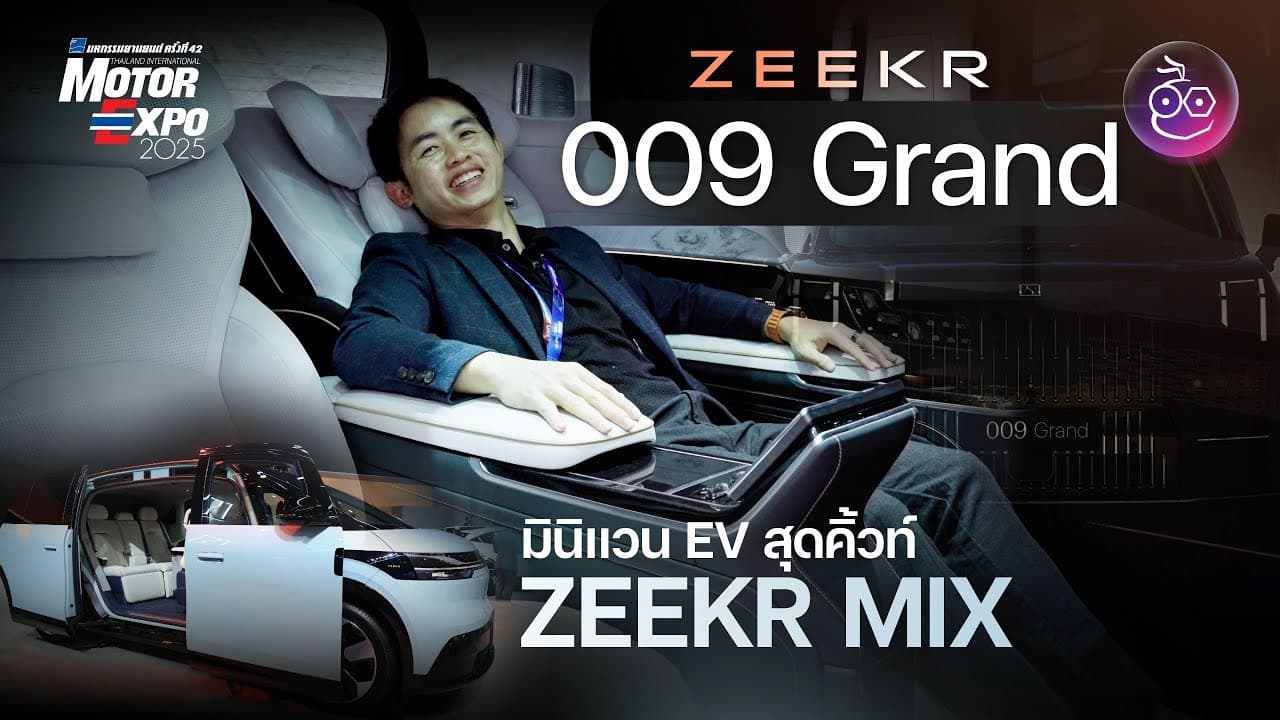
 Zeekr
Zeekr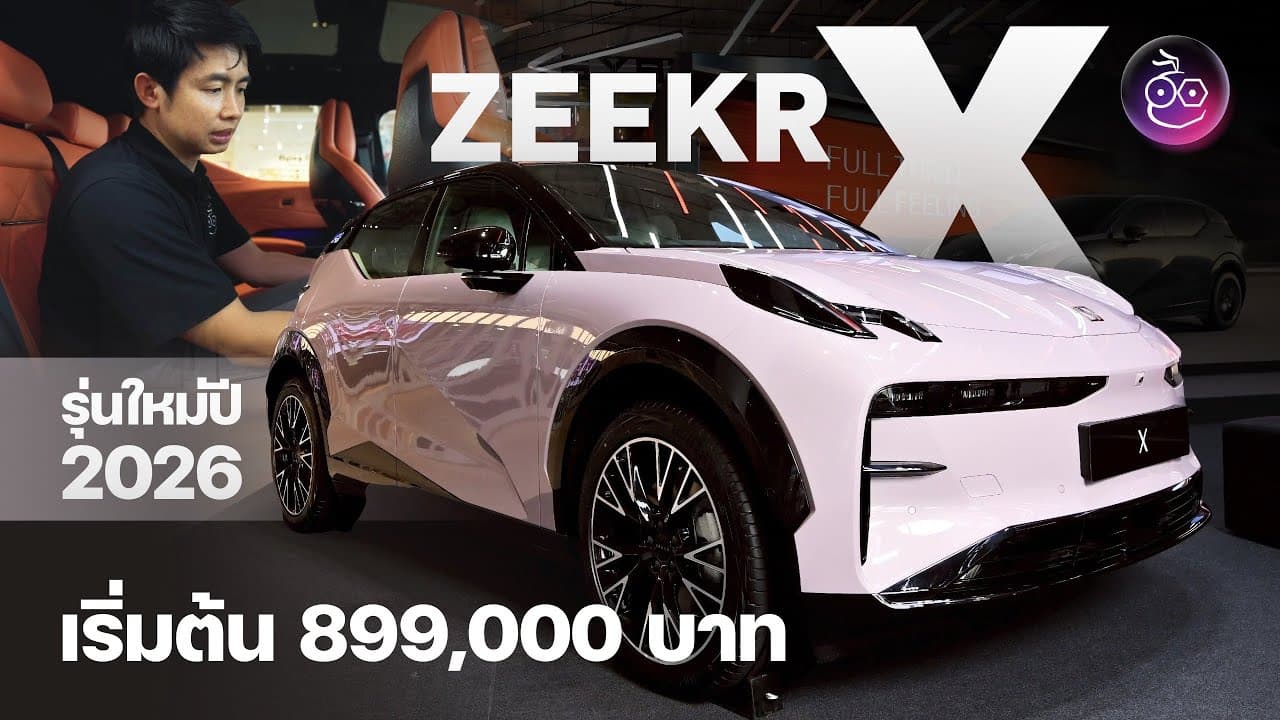
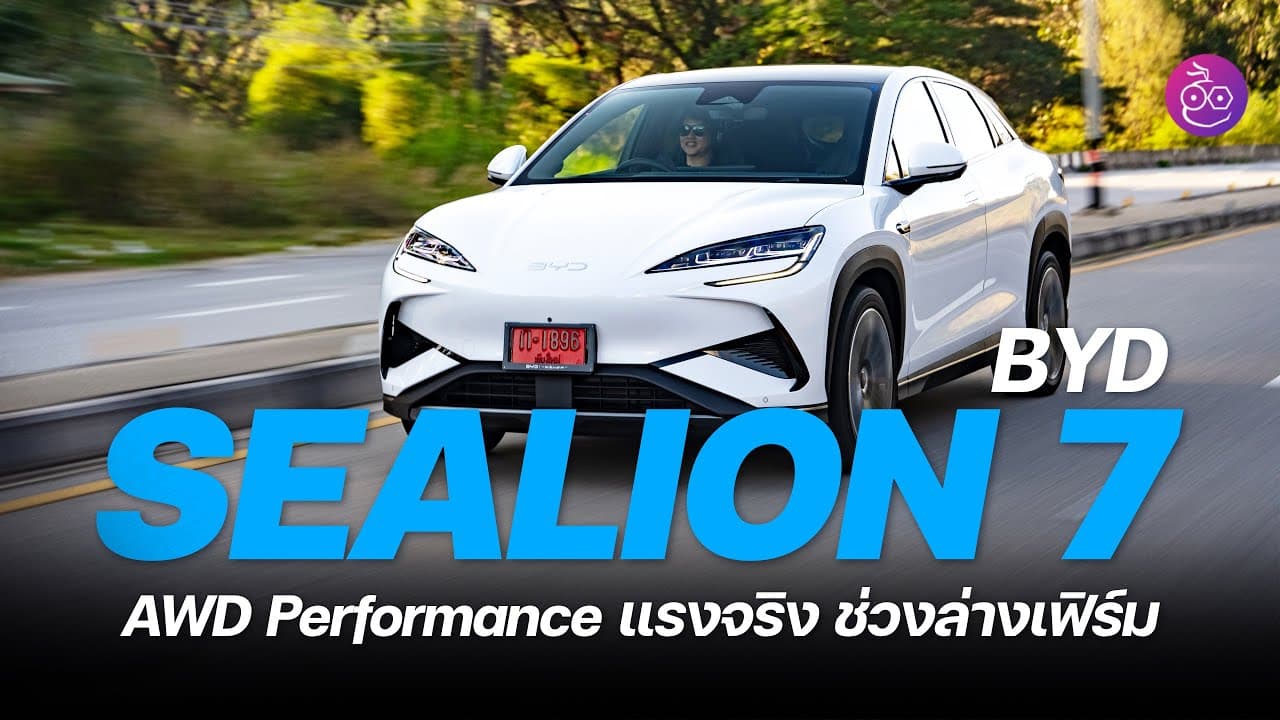
 BYD
BYD