

Walk through any Thai showroom today and you'll see the same four letters on half the SUVs: PHEV. It sounds like just another hybrid — but a plug-in hybrid is a genuinely different kind of car, and whether it makes sense for you comes down to one simple question we'll get to below.
What does PHEV actually mean?
A PHEV — plug-in hybrid electric vehicle — is a petrol car with a battery big enough to matter and, crucially, a charging port. Unlike a normal hybrid, you can plug it in at home and drive your daily trips on electricity alone — typically 50–150 km per charge. And unlike a pure EV, when the battery runs out, the petrol engine simply takes over and you keep driving.
The key mechanical detail: in a PHEV, both the engine and the electric motor can drive the wheels, together or separately:
Both the engine and the motor can drive the wheels.
PHEV vs normal hybrid (HEV): the difference is the plug
This is the comparison most buyers actually care about, and it comes down to two things: battery size and the charging port.
| Hybrid (HEV) | Plug-in hybrid (PHEV) | |
|---|---|---|
| Charging port | None | Yes — charge at home or at a station |
| Electric-only range | 1–2 km | 50–150 km |
| Daily commute | Always burns petrol | Can be 100% electric |
| Typical fuel use | 4–6 L/100 km, every trip | Near zero if you charge; petrol only on long trips |
A normal hybrid like a Toyota Cross HEV never stops burning petrol — the tiny battery only recycles braking energy to help the engine. A PHEV owner with a home charger can do the entire work week without visiting a petrol station, at a cost per kilometre several times lower than petrol.
For contrast, here's the hybrid's layout — same parts, but with no plug and a much smaller battery, the engine is always the main character:
No plug: the small battery is charged by the engine and by braking.
How does a PHEV actually drive?
Around town with a charged battery, a PHEV feels remarkably close to a real EV: it pulls away in silence, torque arrives instantly, and the engine can stay off entirely at city speeds. A normal hybrid never feels like this — its motor is too small to move the car properly on its own, so the engine is always part of the conversation.
There's also a straight-line speed bonus. Because a PHEV pairs a full-size electric motor with the petrol engine, combined outputs are big for the money: the Sealion 6 DM-i makes 218 hp, and the Haval H6 PHEV a whopping 326 hp with 530 Nm — hot-hatch numbers from a family SUV. With both power sources pulling together, mid-range punch for overtaking is where these cars genuinely surprise people.
Two things to know on the flip side:
- You'll feel the handover. When the battery runs low or you floor it, the engine wakes up — and after the electric silence, you notice it. The best systems blend it smoothly; cheaper ones make it obvious.
- The weight is real. The battery adds roughly 150–250 kg over the equivalent hybrid. Manufacturers tune around it, but in hard cornering and braking a PHEV feels like the heavier car it is — and with a depleted battery, some models can't summon their full combined power until it recharges a little.
You also get proper regenerative braking — lifting off recharges the battery noticeably harder than a hybrid's gentle regen, though usually not the full one-pedal experience of a pure EV.
The catch: you have to actually plug it in
A PHEV only makes financial sense if you charge it — ideally every night. Drive one without ever plugging in and you're hauling a couple of hundred kilograms of dead battery around with a petrol engine, often burning more fuel than a plain hybrid would. Fleet studies in Europe found exactly this: company-car PHEVs that were never plugged in delivered none of the promised savings.
PHEVs you can buy in Thailand
The segment has exploded since local assembly started:
- BYD Sealion 6 DM-i — the volume champion, ฿879,900–939,900 (July 2026), a 1.5-litre engine plus electric motor for 218 hp combined, assembled in Thailand with a lifetime battery warranty for the first owner.
- GWM Haval H6 PHEV — the range king at around ฿1.0–1.15 million: up to 150 km of NEDC electric range from a 27.4 kWh battery, 326 hp combined, and it even DC fast-charges.
- European PHEVs — BMW, Mercedes and Volvo have offered plug-in versions for years, at roughly double the money.
Should you buy one?
- Home charger + short daily commute + regular long drives? A PHEV is the sweet spot: electric on weekdays, petrol freedom on weekends.
- No way to charge at home or work? Get a normal hybrid. Same convenience, lower price, no wasted battery.
- Can charge at home and rarely drive past 300 km in a day? Look hard at a pure EV first — simpler, cheaper to run, and Thailand's charging network gets better every month.
Browse the alternatives
Electrified SUVs in the same price range:
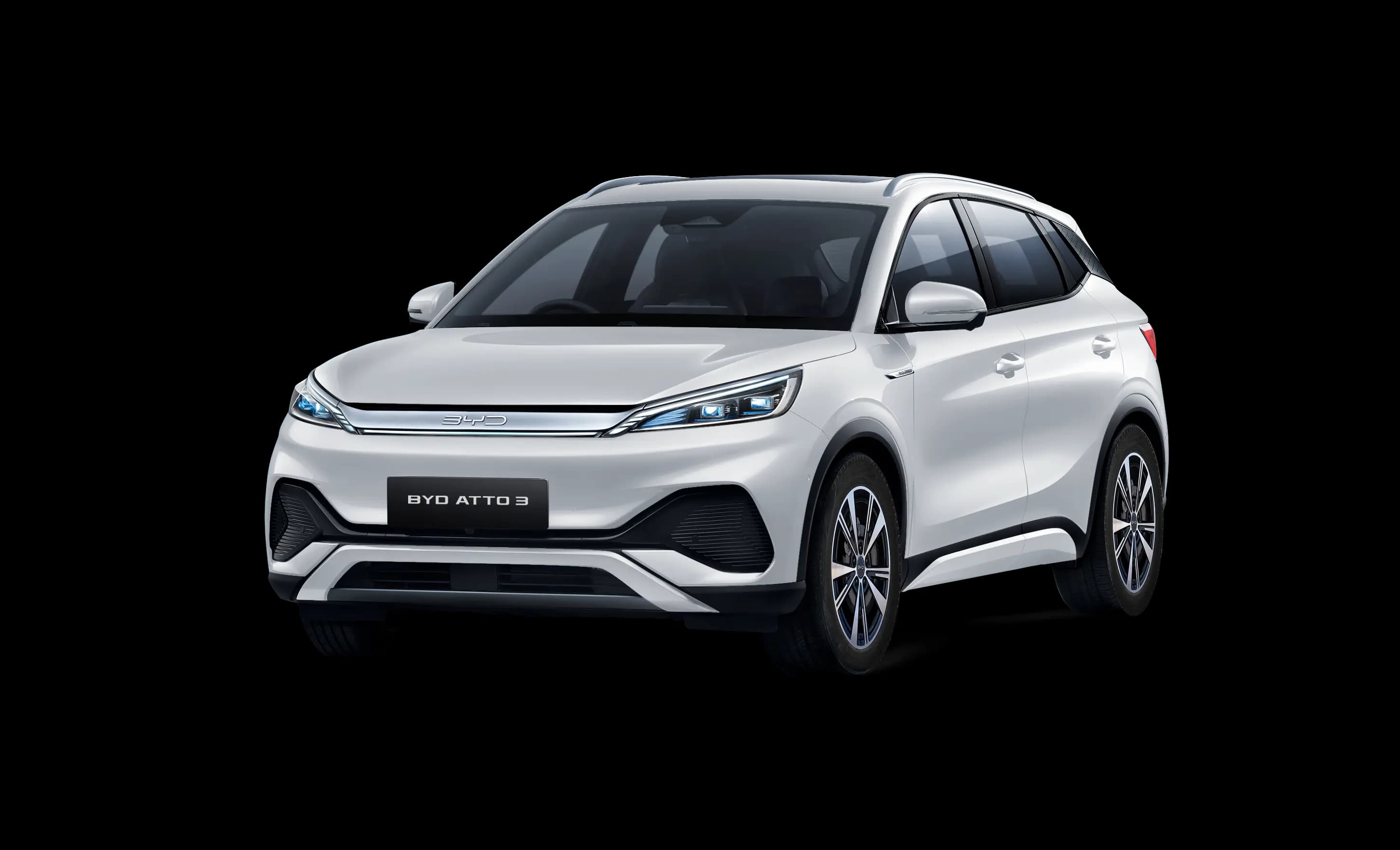
 BYD
BYD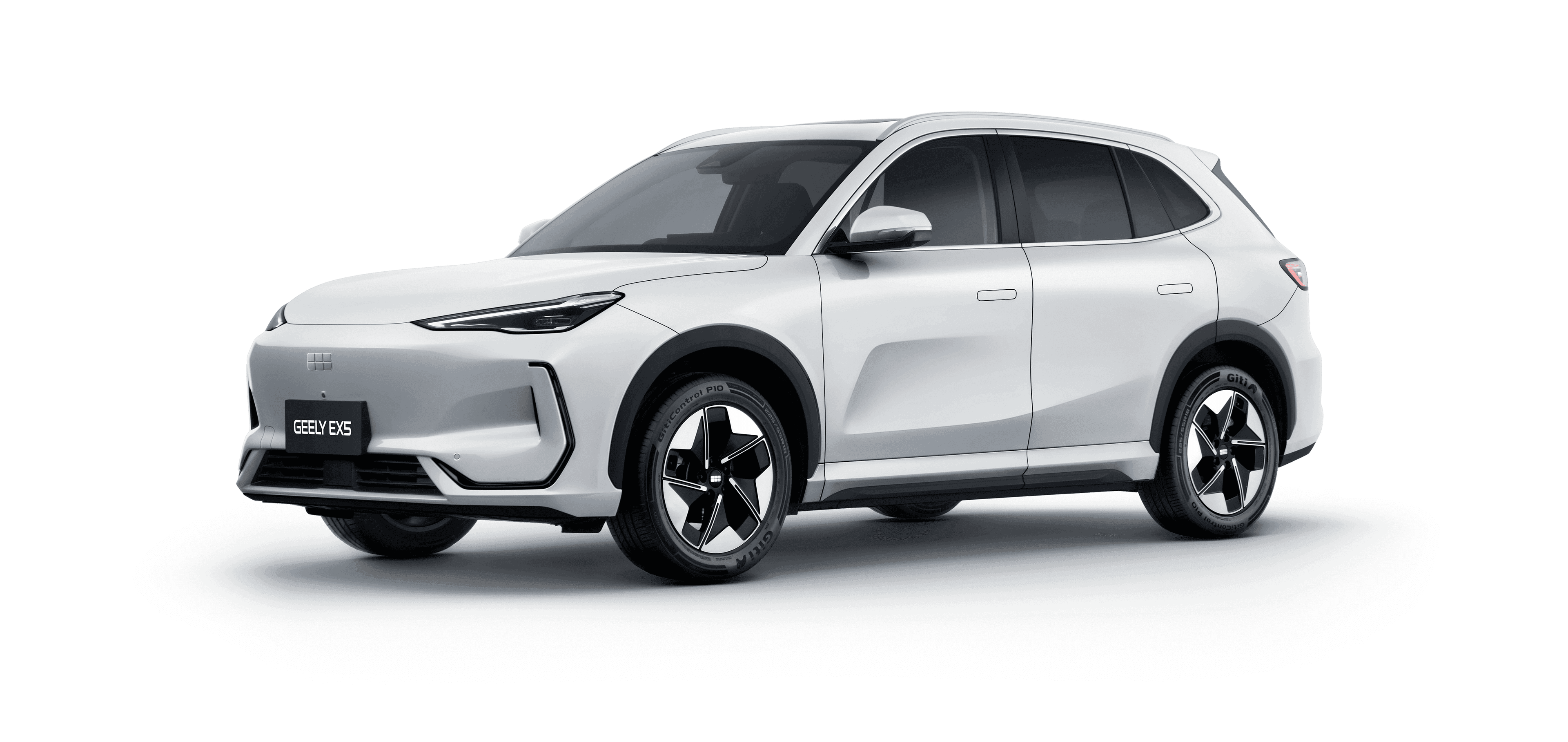
 Geely
Geely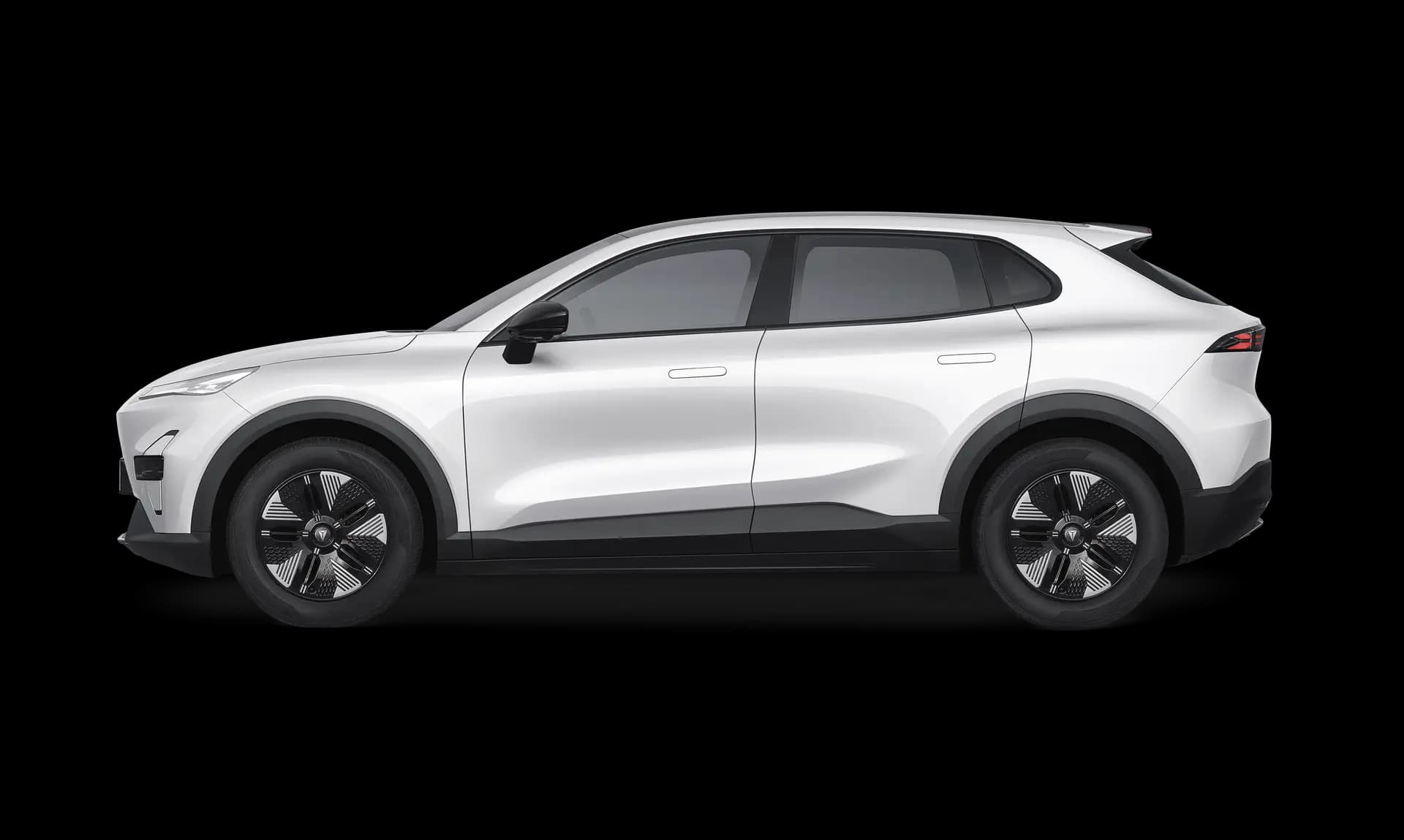
 Deepal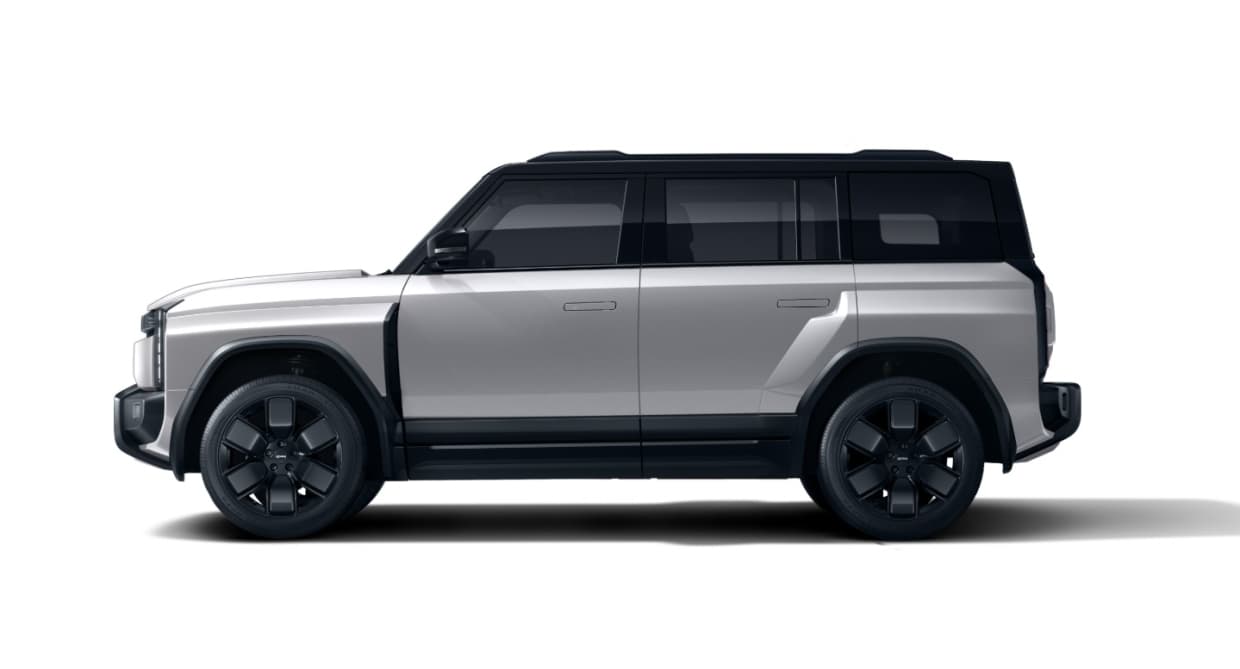
 Jaecoo
 Zeekr
Zeekr
 Chery
Chery