

Recently, a new category of EV has started to appear on our roads: the REEV. You've probably spotted the letters on the back of a Jaecoo or a Deepal and wondered what they mean — and whether it's a "real" electric car at all. The short answer is genuinely simple, and it might be the most practical kind of EV for the way most of us actually drive.
What does REEV actually mean?
A REEV — range-extended electric vehicle — is an electric car that carries a small petrol engine used purely as a generator. The engine never drives the wheels. It only tops up the battery when needed.
Here's the entire concept in one picture — note that the only path to the wheels goes through the electric motor:
The engine only generates electricity. The wheels are always driven by the motor.
That's why a REEV drives like a proper EV: instant torque, one-pedal driving, no gear shifts. The engine is just there so you never have to plan a trip around chargers.
The car behind the hype: Jaecoo 6T REEV
 Jaecoo
The 6T REEV is the boxy off-roader from Chery's Jaecoo brand, and it's the car that made REEV a household term. Two variants are on sale: the 2WD MAX at ฿899,900 (185 kW, rear-wheel drive) and the 4WD ULTRA at ฿999,900 (315 kW dual-motor, 0–100 in 5.5 seconds).
33.67 kWh battery, 2WD
2WD MAX · ฿999,900 for 4WD ULTRA
Both versions use the same 33.67 kWh battery, good for 160–190 km of petrol-free driving — more than enough for a day of Bangkok commuting on a single charge. When the battery runs low, the generator takes over and the total range stretches well past the 1,000 km mark, so a Bangkok–Chiang Mai run without a single charging stop is realistic.
Two details reviewers keep highlighting: it DC fast-charges at up to 100 kW — unusually quick for a car that also carries a petrol generator — and unlike most electrified SUVs at this price, it's built for genuine off-road use, with dedicated terrain modes. Reviewers have taken it well beyond the shopping mall car park.
What about the Deepal S05 REEV?
The 6T REEV isn't alone: the Deepal S05 REEV brings the same range-extender formula in a sleeker crossover shape, and it's the 6T's most direct rival. If you're deciding between the two, the split is roughly rugged-and-boxy versus smooth-and-aerodynamic — same idea underneath.
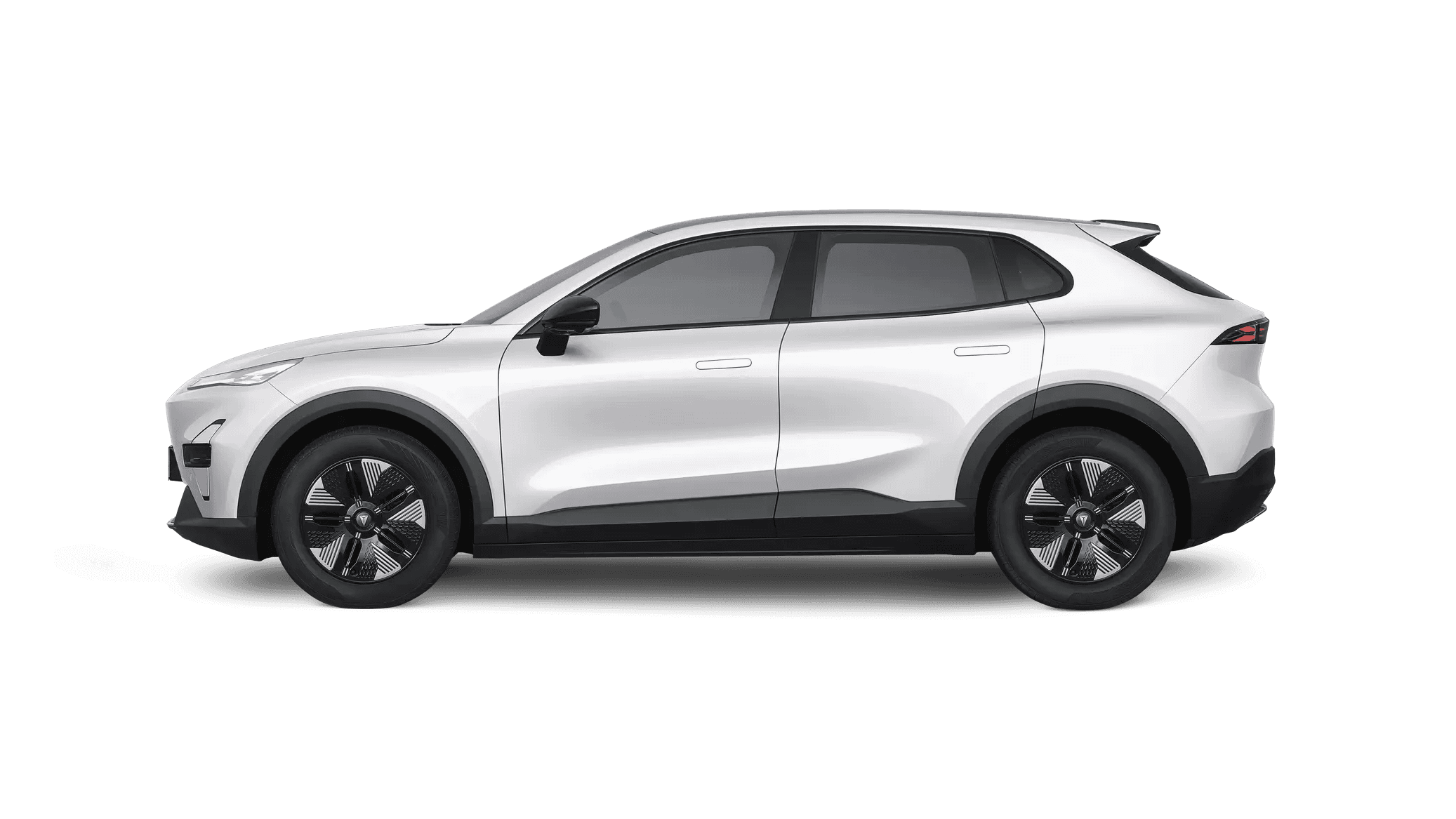
 Deepal
How efficient is a REEV, really?
Around town, a REEV is simply an EV: daily trips run on grid electricity with zero tailpipe emissions, and if you plug in at home, your cost per kilometre sits far below anything petrol-powered.
On long highway runs, less so. Once the battery is depleted, every kilometre goes petrol → generator → electricity → motor, and each conversion step loses energy. The engine at least always runs at its single most efficient fixed speed — it never has to follow your right foot — but expect around 6.4 L/100 km once the generator takes over, behind what a parallel PHEV or a BEV manages at a sustained highway pace. The economics only work if you actually plug in regularly.
So why not just buy a hybrid?
Because a hybrid never stops burning petrol. With no plug and a tiny battery, it does 4–6 L/100 km on every single trip — while a REEV owner who charges at home does the entire work week on cheap electricity and touches petrol only on long drives. Three things a hybrid simply can't offer:
- It's a real EV to drive. Full-size motors (up to 315 kW in the 6T REEV), instant torque, one-pedal driving, near silence. A hybrid always feels like a petrol car with assistance.
- A battery that matters. 160–190 km of electric-only range versus a hybrid's one or two kilometres.
- DC fast charging. At 100 kW you can even road-trip it as an EV and use petrol only where chargers run out.
The flip side: if you can't charge at home, skip the REEV. Without a plug it's just a heavy hybrid — you're hauling a big battery around so a petrol engine can charge it. The REEV's whole point is EV on weekdays, petrol safety net on weekends — it's for people with a home charger, city driving, and regular trips beyond the charging network.
Should you buy one?
If your driving is mostly urban but you regularly take road trips to places where chargers are scarce, a REEV like the 6T is the practical middle step: cheap electric commuting all week, zero range anxiety on the weekend. If you charge at home and rarely leave battery range, a pure BEV is simpler and cheaper to run — and at this price point there's real competition.
Browse other EVs
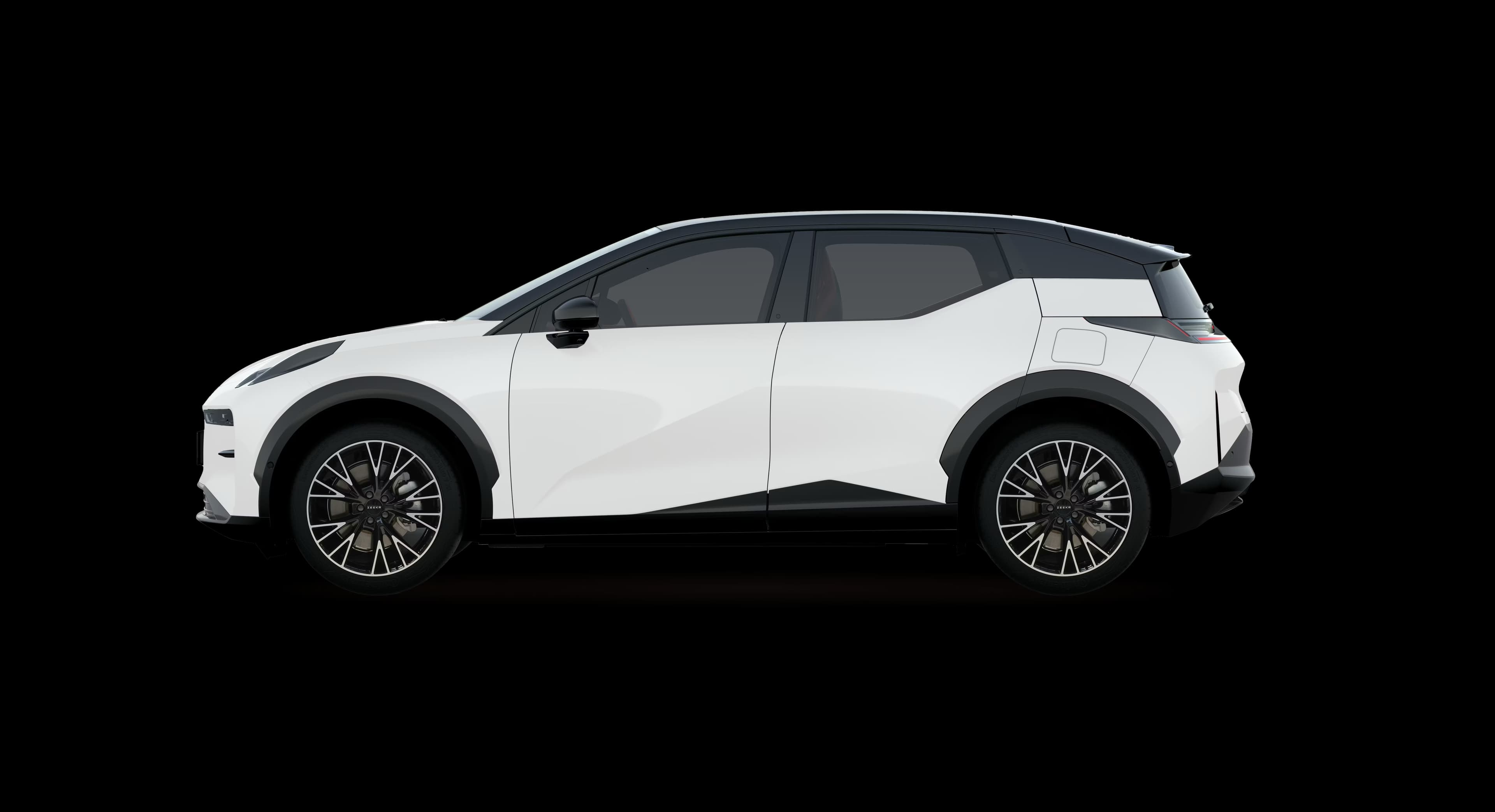
Electric SUVs around the 6T REEV's price point:
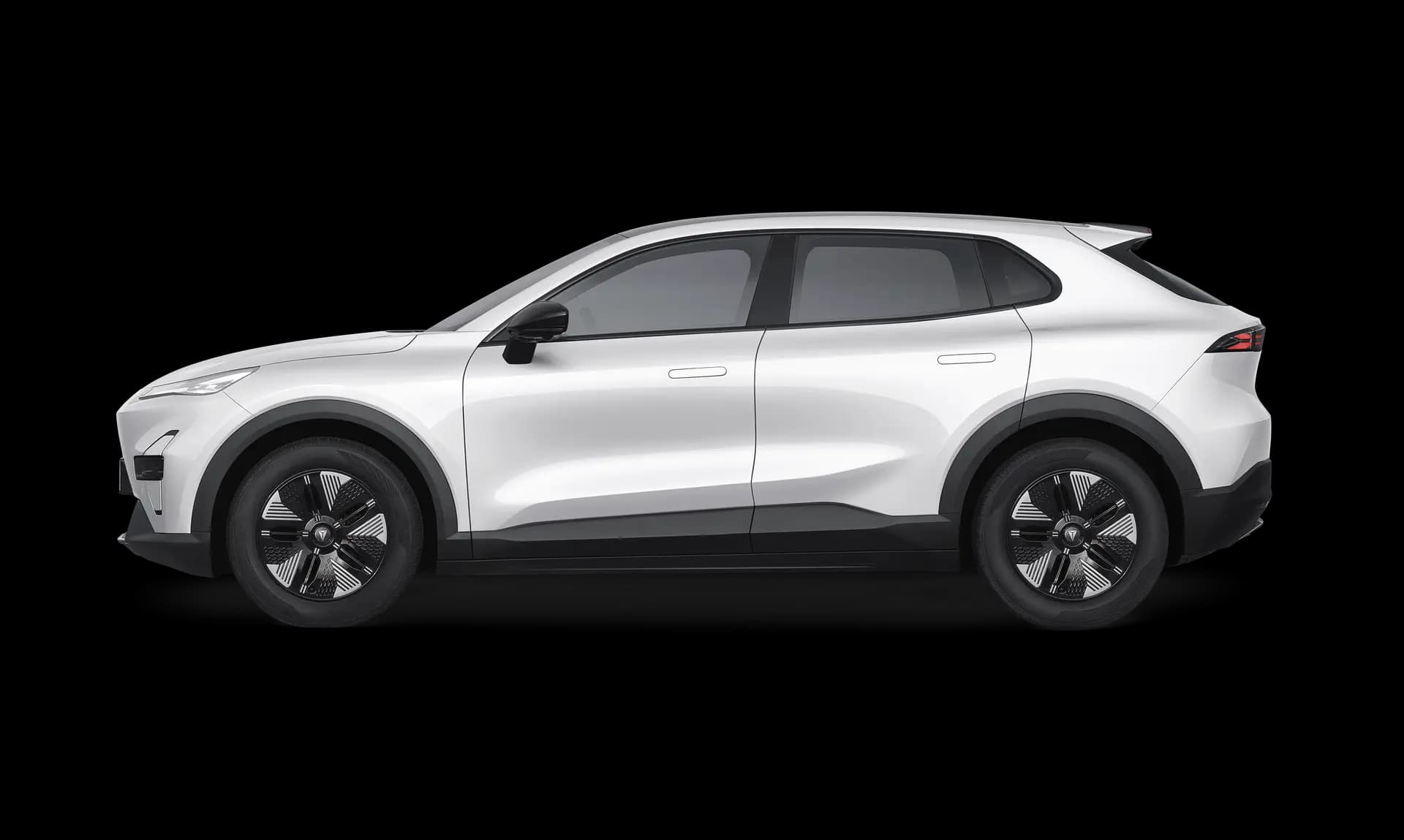
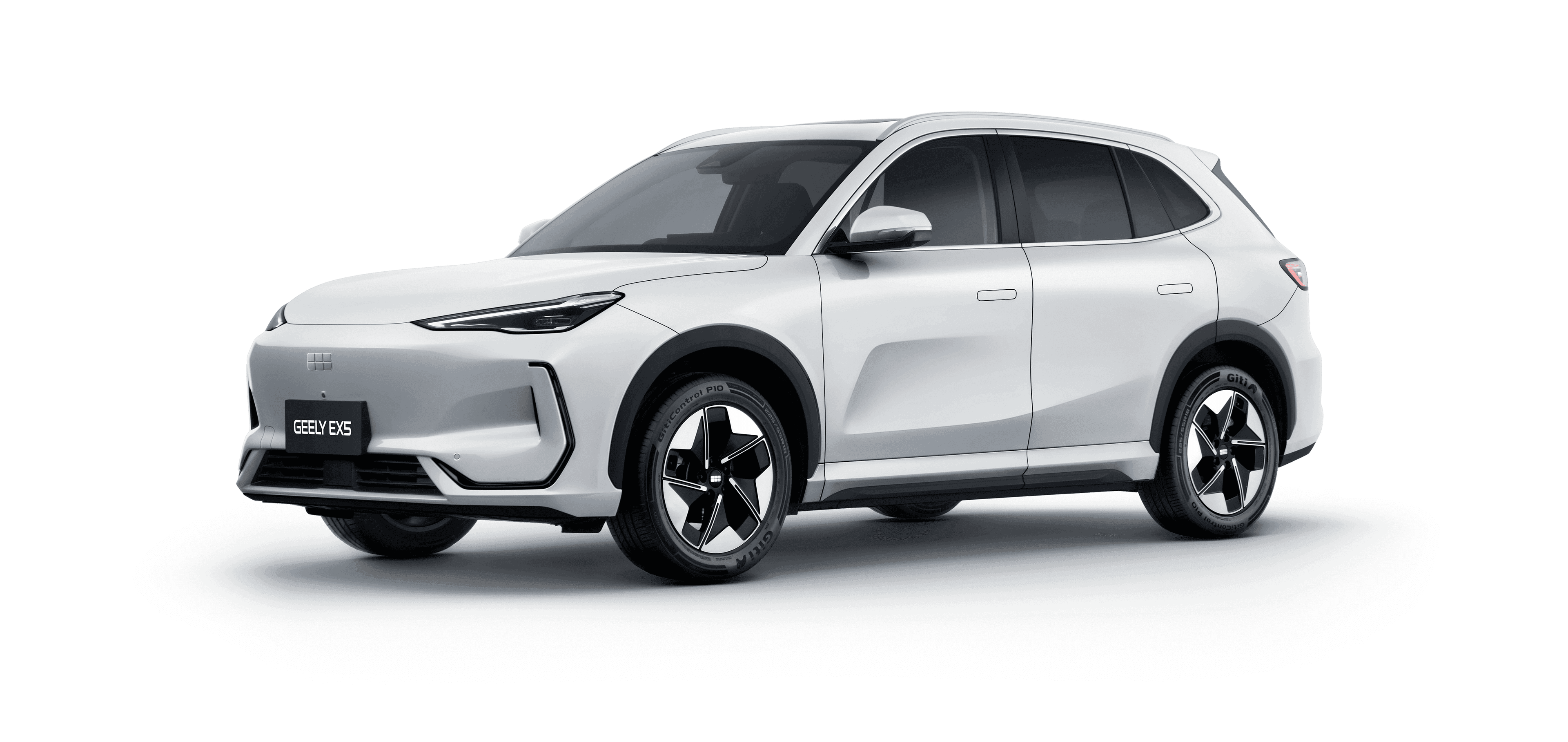
 Geely
Geely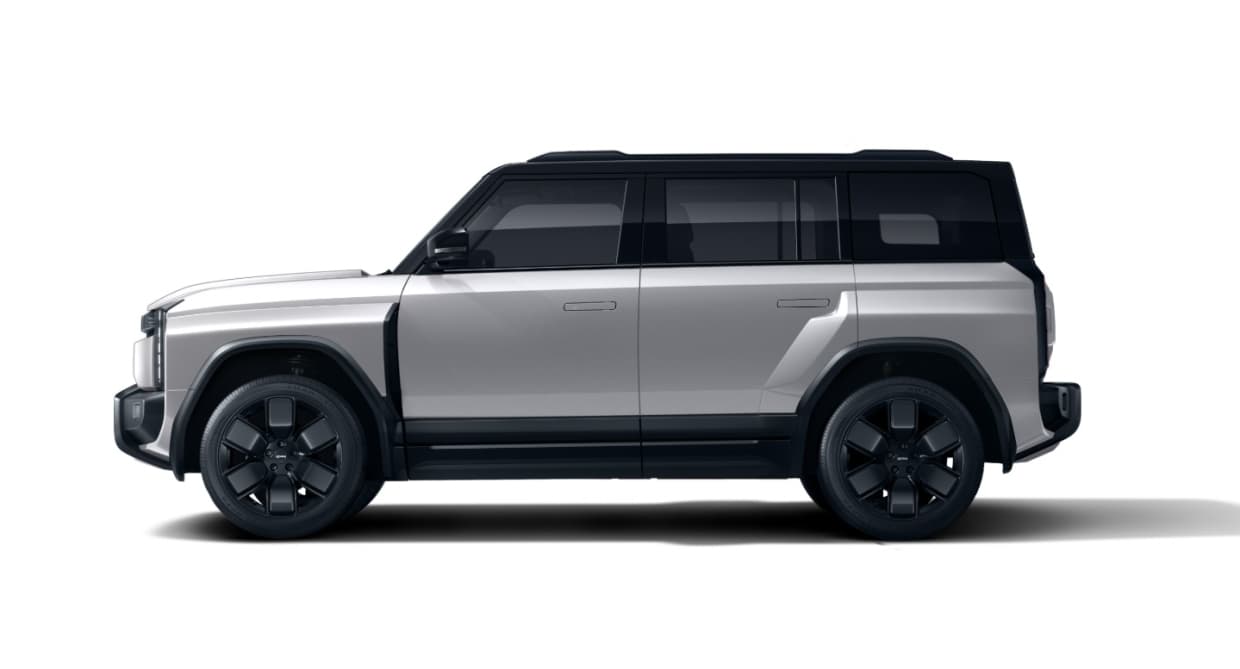
 Zeekr
Zeekr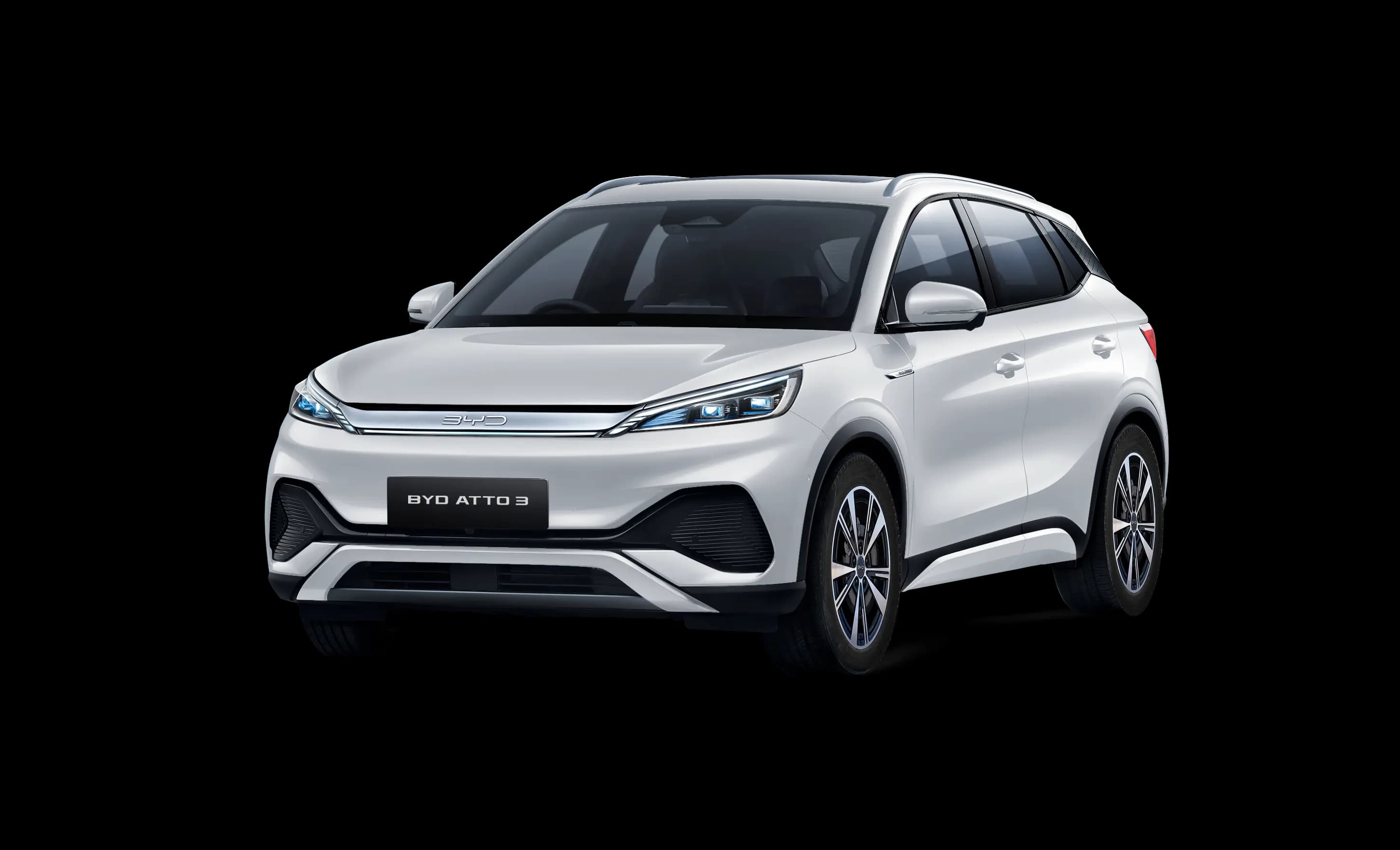
 BYD
BYD
 Chery
Chery